The LandCruiser 40 Series: the Toyota that conquered the bush
A handful of LandCruisers bought for the Snowy Mountains Scheme started it. Twenty-five years of the 40 Series made Toyota the name in Australian four-wheel driving.
Before the LandCruiser, a four-wheel drive in Australia almost always meant a Land Rover. The Toyota that changed that arrived in 1958, when the construction company Thiess bought about a dozen LandCruisers for its work on the Snowy Mountains Scheme. They were FJ25s, simple canvas-topped machines with a big six-cylinder petrol engine.
Thiess soon became Toyota's distributor in Australia, and the LandCruiser started a reputation it has never lost.
The 40 Series arrives
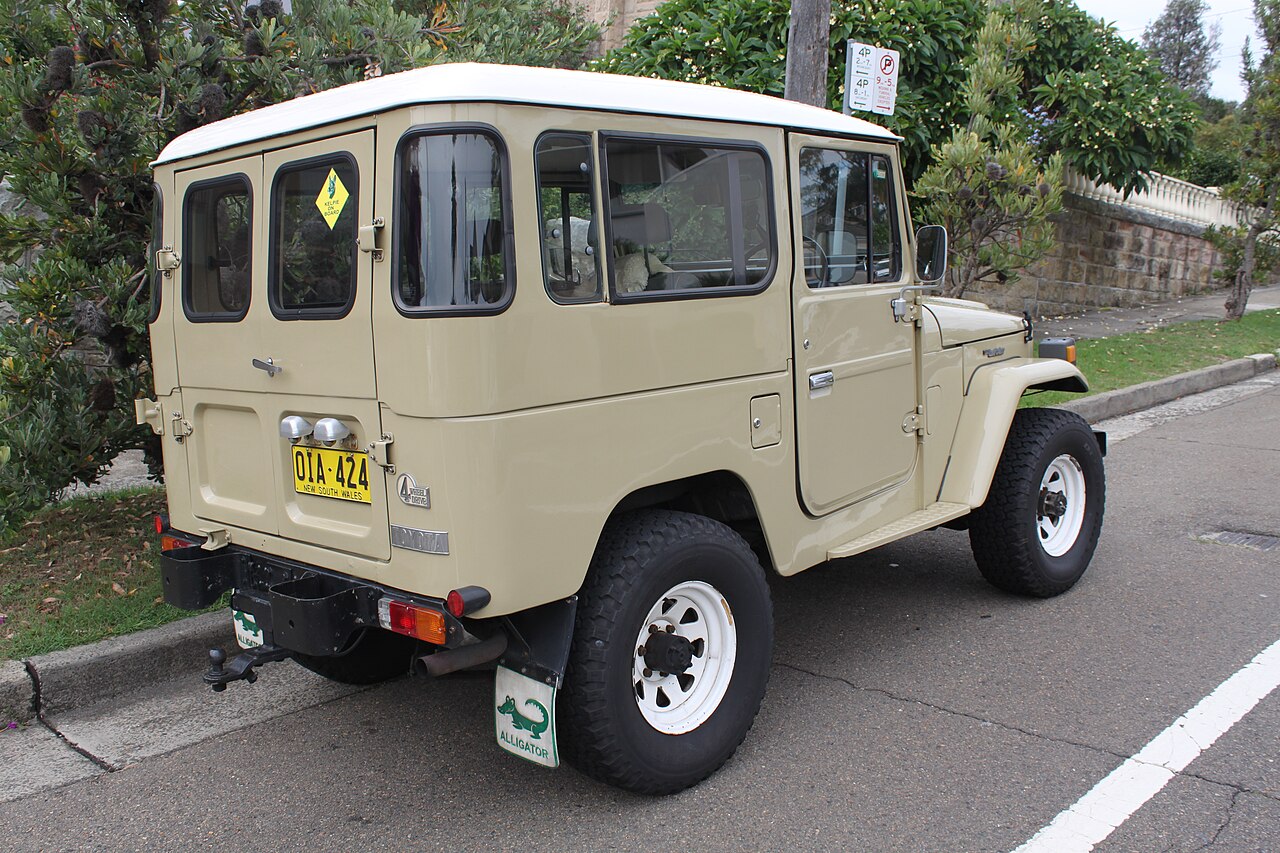
In 1960 Toyota replaced the 20 Series with the 40 Series. It was built for more than two decades, until the 70 Series took over in the mid-1980s, and it is the shape most people picture when they think of an old LandCruiser: a short, upright body, round headlights and a flat bonnet.
Australians bought them as soft-tops, hardtops, long-wheelbase wagons and cab-chassis utes. Farmers, miners, surveyors and government departments ran them in places where a breakdown could be serious, and they earned a name for carrying on when other vehicles gave up.
Petrol and diesel
The first 40s used Toyota's F-series six-cylinder petrol engine, which gave the FJ models their name. Diesel engines followed, in the BJ (four-cylinder) and HJ (six-cylinder) models. Diesels suited the long distances and fuel supply of the outback, and in time they became the engine of choice for working LandCruisers.
Why they are wanted now
The 40 Series has become a classic around the world, and Australian cars are among the most sought after. Their appeal is the same as it always was: they are simple, strong and easy to fix. Restored examples and well-kept originals are bought to be driven, not just shown.
Rust is the enemy. Check the floor, the bottom of the doors and the body mounts, and look for signs of old repairs. A car that has spent its life in a dry climate is worth paying more for. Original drivetrains, matching numbers and records of the car's history add value.
The LandCruiser today
The 40 Series' successor, the 70 Series, is still sold new in Australia four decades after it replaced the 40. The wagon line runs today through the 300 Series. Used LandCruisers of every era are in our LandCruiser price guide.